
Outcome Statement: After posting bail, defendants typically leave the detention facility within 1 to 24 hours, depending on the jail’s processing speed, staffing levels, and time of posting. This beginner-friendly guide explains the jail release procedure step-by-step. Release time depends on the jail: usually 2–6 hours at Cois M. Byrd and 6–12 hours at Robert Presley. See all Riverside County jails.
Before You Begin: Prerequisites
- Bail payment verification: Confirm the bail office received full bail amount, bail premium (typically 10 percent bail for surety bonds), or bond approval
- Identification ready: Valid ID for person picking up the defendant after custody release
- Understanding of release conditions: Know court-ordered release requirements and bail conditions
- Contact information: Jail’s bail posting location and bond office hours (many facilities offer 24-hour bail bonds processing)
Step 1: Verify Bail Payment Acceptance at the Correctional Facility
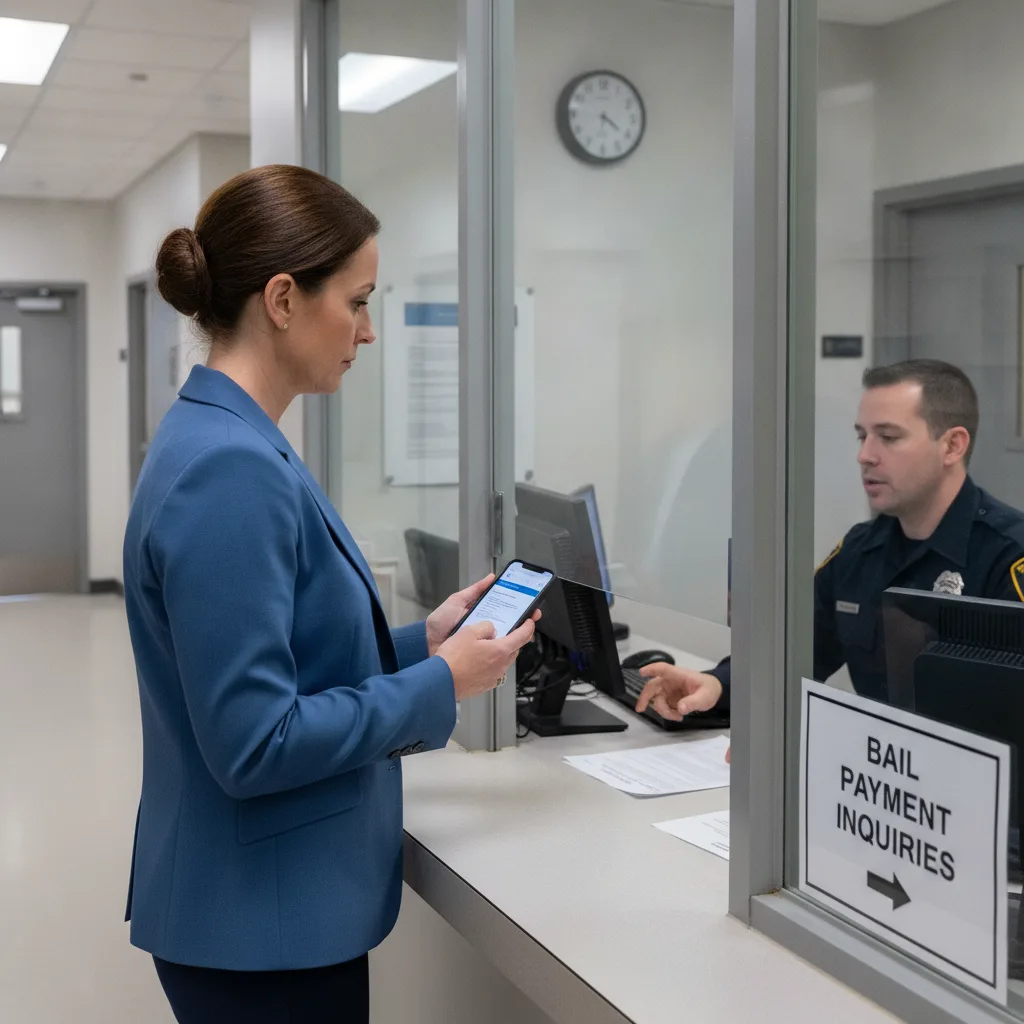
Contact the jail to confirm they received the bail money through your chosen bail payment method (cash bond payment, electronic bail payment, credit card bail, or wire transfer bail).
Action Items:
- Call the detention facility’s main number and ask for the bail office
- Provide the defendant’s full name and booking number
- Confirm bail payment verification completed successfully
- Request estimated jail discharge time based on current processing delays
Timeline: Bail payment processing typically takes 15 minutes to 2 hours after the bail bondsman or family posts the bond amount.
Step 2: Await Booking Process Completion and Administrative Processing
The booking and release sequence cannot begin until the arrest warrant processing and initial booking process finish completely. The criminal justice system requires the county jail to complete fingerprinting, photographing, and entering defendant information before initiating the release process.
What Happens During Processing:
- Release paperwork completion: Correctional facility staff prepare release documentation requirements including bail receipt, release order, and bail conditions paperwork
- Background checks: Verification for additional outstanding warrants or holds
- Property return processing: Personal belongings inventory and return preparation
Factors that affect how long it takes to get released on bail include jail overcrowding impact, understaffed jail situations, and the complexity of the criminal defendant’s charges.
Step 3: Complete Release Documentation and Understand Release Authorization
Once administrative processing time concludes, the defendant must sign release paperwork and receive copies of critical documents. This step in the bail out of jail process typically takes 30 to 90 minutes.
Required Documentation:
- Bail conditions form: Lists all pretrial release conditions and court appearance dates
- Receipt: Proof of bond payment or cash bail posting
- Court date notice: Arraignment or bail hearing schedule from the magistrate or judge
- Contact information: Pretrial services officer details (if applicable under pretrial release program)
For those wondering how long to get out of jail after bail, understanding this documentation phase prevents unnecessary detention time reduction delays.
Step 4: Exit the Jail and Comply with Pretrial Freedom Conditions
Getting released from jail concludes when correctional staff escort the defendant to the jail exit process area. Family members or the bail bondsman can typically pick up the released individual immediately.
Immediate Post-Release Actions:
- Verify all personal property returned matches the inventory list
- Schedule appointment with bail bond agent to review bail bond guarantee obligations
- Calendar all court appearance dates to avoid bail conditions violations
- Contact attorney if release conditions compliance seems problematic
Factors Affecting Bail Release Timeline
| Factor | Impact on Release Time |
|---|---|
| Time of Day | Posting bail on Friday evening or posting bail during holidays causes overnight detention or next day release due to reduced staffing |
| Weekend vs. Weekday | Does it take longer to get out of jail on weekends? Yes—processing time factors increase 2-3x on Saturday/Sunday |
| Facility Size | Busy jail environments with overcrowding experience slow release after bail compared to smaller facilities |
| Charge Severity | Misdemeanor bail release time averages 2-6 hours; felony cases may require 8-24 hours for additional verification |
| Payment Method | Cash only bail provides fastest verification; bail fund transfer through banks may delay release 4-8 hours |
Troubleshooting Common Delays
If bail is posted but no release after 12 hours:
- Contact the court clerk to verify the release order reached the detention facility
- Confirm no immigration hold or out of state arrest complications exist
- Check for administrative processing errors in defendant name or booking number
If the defendant cannot afford bail:
- Request bail reduction motion through attorney
- Explore personal recognizance release with pretrial services
- Consider partial bail payment options or property for bail with bail enforcement agent
If wondering what is the fastest way to get out of jail after posting bail:
- Use experienced bail bondsman assistance for same day release probability
- Post bail during weekday business hours (8 AM – 4 PM) for optimal bail processing efficiency
- Ensure bail payment methods match jail’s acceptable bail forms (some facilities restrict electronic payments)
Why Does Release Take Time?
Many people ask why does it take so long to get out of jail after bail is posted. The legal process requires the correctional facility to complete several non-negotiable steps mandated by state laws and federal bail regulations. These bail laws ensure proper documentation, prevent release errors, and maintain bail system integrity.
The typical release duration includes verification of bail funds, completion of the booking process, preparation of release conditions documentation, and final authorization by jail administrators. Release priorities in busy facilities may delay individual cases when dealing with multiple simultaneous releases.
Next Steps After Pretrial Release
Immediate Actions (Within 24 Hours):
- Read all release conditions compliance requirements thoroughly
- Contact attorney to discuss defense strategy before arraignment
- If using surety bond process, understand bail bond obligations to bail guarantor
Ongoing Responsibilities:
- Attend every court appearance to avoid bail conditions violations and re-arrest
- Maintain contact with pretrial services if assigned a case officer
- Do not commit new offenses during pretrial freedom period
- Keep collateral arrangements current if property secured the bond amount
Financial Considerations: Remember that the bail premium paid to a bail bond agent (typically 10% of total bail) is non-refundable. Full cash bail returns after case conclusion, minus court fees. Understanding these bail posting requirements prevents financial surprises.
By following these steps and understanding how bail works within your jurisdiction, defendants can minimize time in jail after posting bail and begin preparing their defense efficiently.
Need bail in Riverside County? We post bail 24/7 at every county jail: Robert Presley, Cois M. Byrd, Larry D. Smith, John J. Benoit and Blythe Jail.
Not sure where your loved one is? See all Riverside County jails or call 888-669-0295.